
Catalina Barrios
Administrative Director of Human Resources
Catalina Barrios
Administrative Director of Human Resources
Three years ago, much of human activity around the world came to a halt as a result of the pandemic. This event represented an unexpected lesson and an unprecedented challenge—one whose consequences many individuals and organizations are still recovering from today.
We are all aware of the severe impact that COVID-19 had on workplace dynamics and how remote work became the most viable option amid widespread uncertainty. Rather than revisiting those well-known effects, this article focuses on the accelerated evolution of remote work within our organization and the factors behind our success in becoming a pioneering and recognized reference for remote work practices in Colombia.
In 2017, C & M signed the National Teleworking Pact, formally committing to the implementation and promotion of this emerging work modality, which at the time already showed strong potential to transform traditional organizational structures. Through this commitment, we experienced firsthand the significant benefits of remote work, while also addressing the challenges inherent to such a profound organizational change.
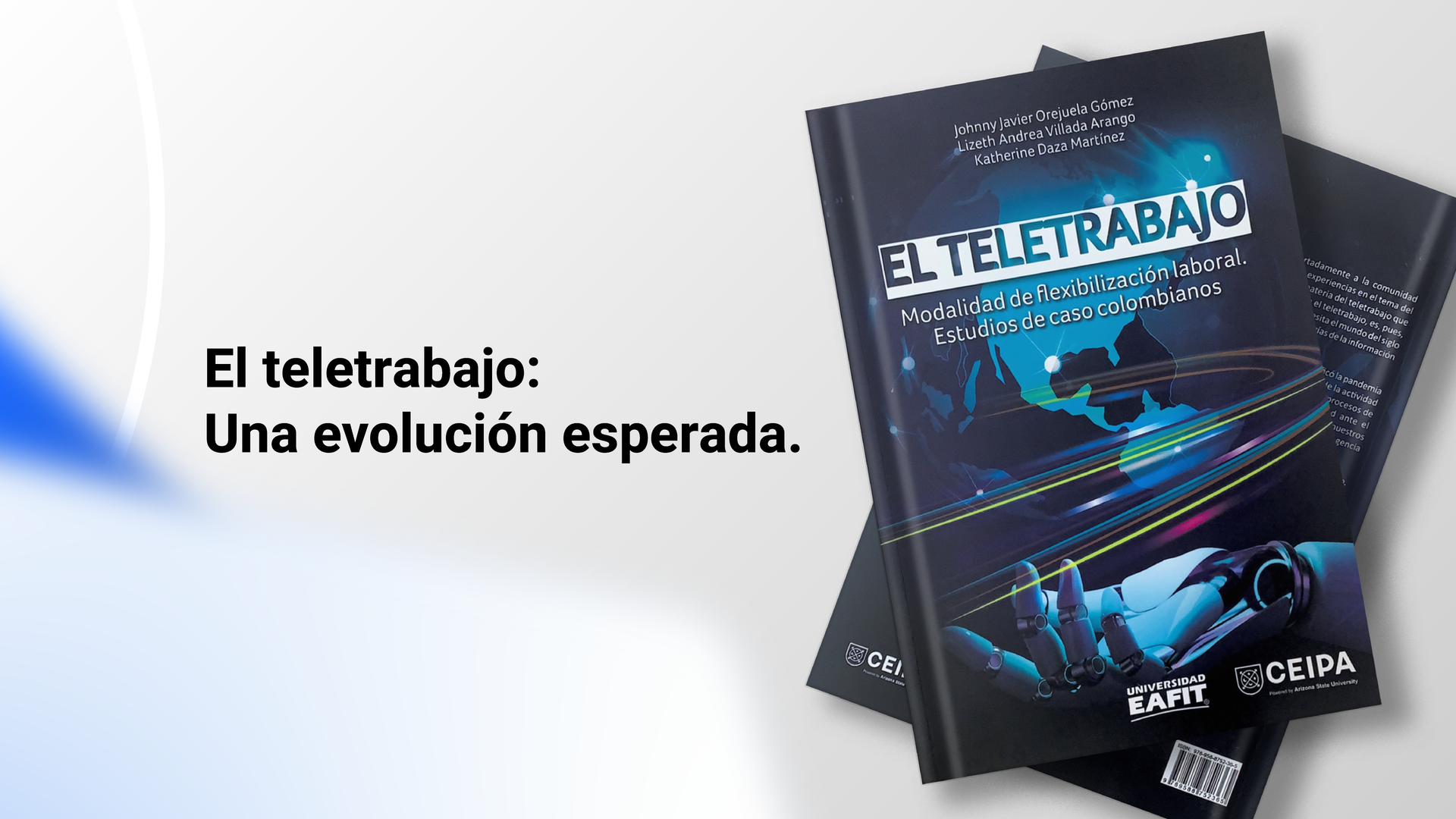
The implementation of remote work at C & M proved to be successful from the outset—well before the pandemic. This is supported by the findings of a research study I conducted within the company, which later contributed to the book “Teleworking: A Flexible Work Modality – Colombian Case Studies” by Orejuela, Villada, and Daza (2022). This publication brings together diverse research efforts on remote work in Colombia from a practical and theoretical perspective.
The book makes a timely and valuable contribution to the advancement of more flexible work models, driven by the rapid development of information and communication technologies. It also promotes a vision of organizational culture, management, and sustainability of remote work, emphasizing continuous development and growth within virtual environments.
One of the most significant findings of my study was the identification of the key enabling conditions for remote work at C & M. Undoubtedly, organizational culture stood out as the most relevant factor for participants—characterized by flexibility, autonomy, and trust. Other important factors included leadership commitment and willingness, as well as structured strategies for socialization and training in work habits and routines.
On the other hand, although the research did not reveal major barriers to remote work, it highlighted the importance of closely monitoring communication among work teams and managing potential workload overload.
Thanks to these foundations, C & M was able to navigate the health emergency effectively. Prior to the crisis, the company had already made significant investments in technology and had established a robust system of virtual tools. In addition, we had well-defined cultural norms based on effective communication and placed strong emphasis on the physical and emotional well-being of our employees.
Our organization responded with agility, flexibility, and dynamism in providing all necessary resources. As a result, the transition to large-scale autonomous remote work as an immediate response to the health crisis was smooth and largely free of complications. This experience enabled accelerated learning and the adoption of best practices in remote management, allowing us to confidently state that C & M is now a mature organization, well prepared to face the future challenges of the evolving world of work.